If you are deciding between a gated community and an open desert neighborhood in North Scottsdale, you are really choosing between two different ways to live the desert lifestyle. One offers a more managed setup with defined rules and shared amenities, while the other often offers more land, more visual openness, and a closer connection to the surrounding landscape. If you want to match your budget, priorities, and long-term plans to the right setting, this guide will help you compare the tradeoffs clearly. Let’s dive in.
Why This Choice Matters in North Scottsdale
North Scottsdale is not just a collection of neighborhoods. It is shaped by Scottsdale’s planning approach, which focuses on protecting desert and mountain lands and preserving neighborhood character. In the Desert Foothills and Dynamite Foothills areas, the city’s plans specifically support rural desert character, open space, and design that blends with the land.
That planning vision matters when you compare gated and open desert living. In many parts of North Scottsdale, openness is not accidental. It is part of how the area is intended to look and feel, especially north of Pinnacle Peak Road where roadways are generally considered rural by the city.
The outdoor setting is also a major part of the appeal. Scottsdale says the McDowell Sonoran Preserve includes roughly 35,000 acres of permanently protected desert habitat, with about 220 miles of trails in the Preserve and another 150 miles in the neighborhood trail system. For many buyers, access to trails, views, and open desert surroundings is just as important as the home itself.
Gated Living in North Scottsdale
Gated living in North Scottsdale usually means more than a gate at the entrance. In Arizona, these communities are commonly planned communities with a homeowners association that owns or operates parts of the neighborhood and assesses members for shared costs. That creates a formal structure around access, maintenance, rules, and budgeting.
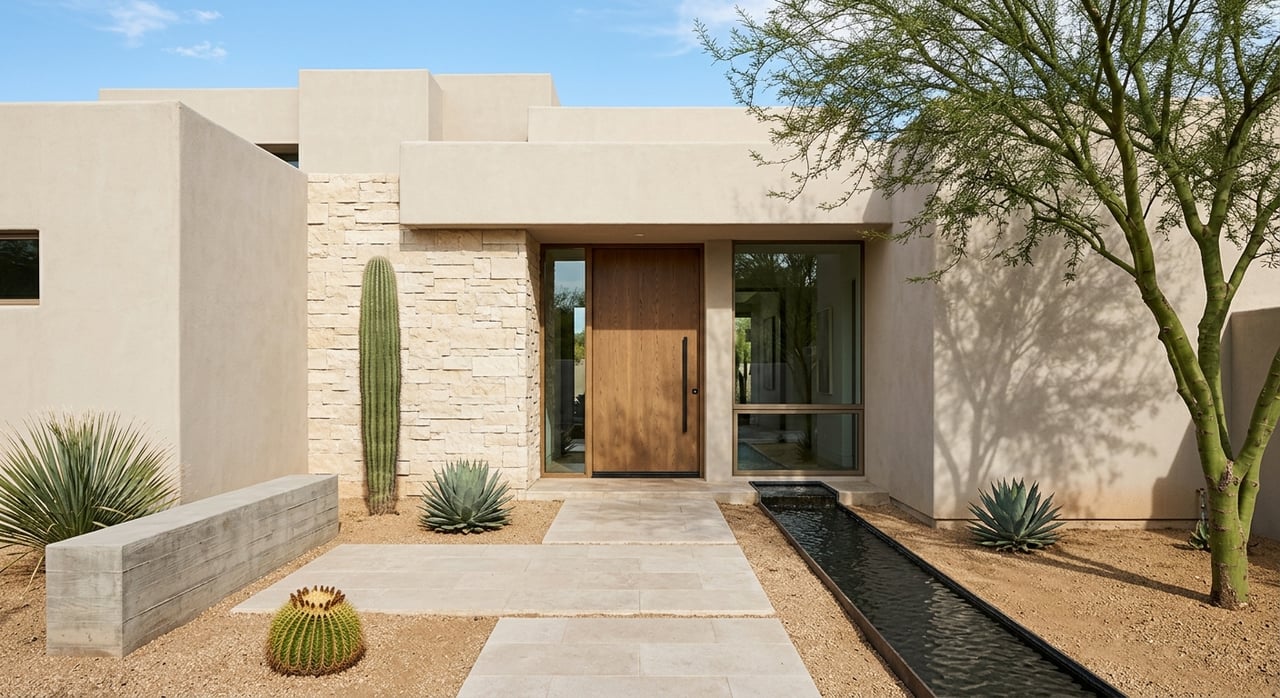
For many buyers, that structure is the main benefit. A gated community often delivers a more predictable experience, with standards for landscaping, exterior appearance, and shared spaces that help create a consistent look across the neighborhood.
What You Can Expect in Gated Communities
Many gated communities in North Scottsdale use architectural review or design committees. Arizona law allows planned communities to have formal review steps for new construction and exterior changes when design guidelines are in place. That is one reason these neighborhoods often feel more visually uniform, with tighter control over color palettes, walls, landscaping, and additions.
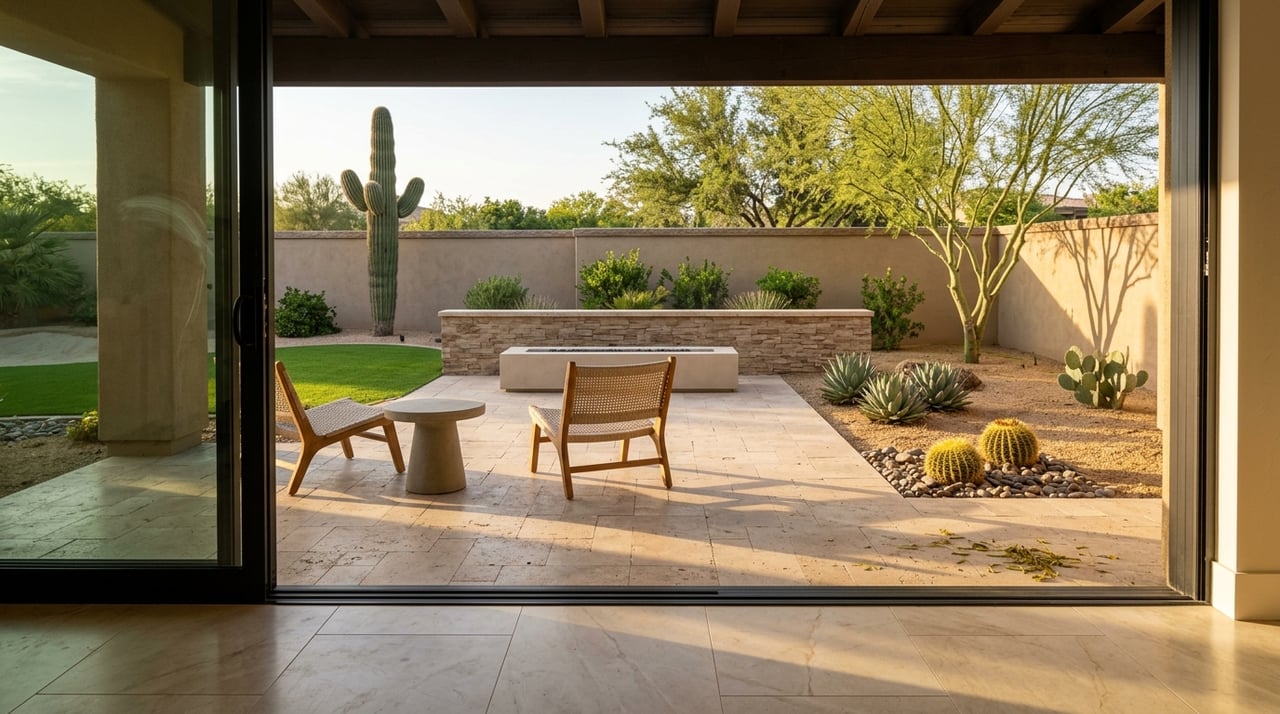
You may also find a more bundled lifestyle package. National housing research notes that community associations often provide or support amenities such as landscaping, sidewalks, pools, outdoor recreation areas, pet-friendly outdoor spaces, and community security features. The exact package varies by neighborhood, but the model is built around shared management.
Pros of Gated Living
If you prefer a managed environment, gated living can be a strong fit. Common advantages include:
- Controlled access points
- Shared neighborhood maintenance
- More consistent exterior appearance
- Possible amenity access
- A clearer framework for community standards
For some buyers, those benefits support peace of mind and simplify day-to-day ownership. The Foundation for Community Association Research found that 86% of residents rated their community association experience as positive or neutral.
Tradeoffs of Gated Living
The biggest tradeoff is cost and control. HOA dues are an added carrying cost, and they are separate from your mortgage. They can rise over time based on maintenance, utilities, insurance, and capital needs.
Rules are the other major factor. The same standards that help preserve a polished neighborhood look can feel restrictive if you want more freedom with vehicles, rentals, landscaping choices, or exterior changes.
Open Desert Living in North Scottsdale
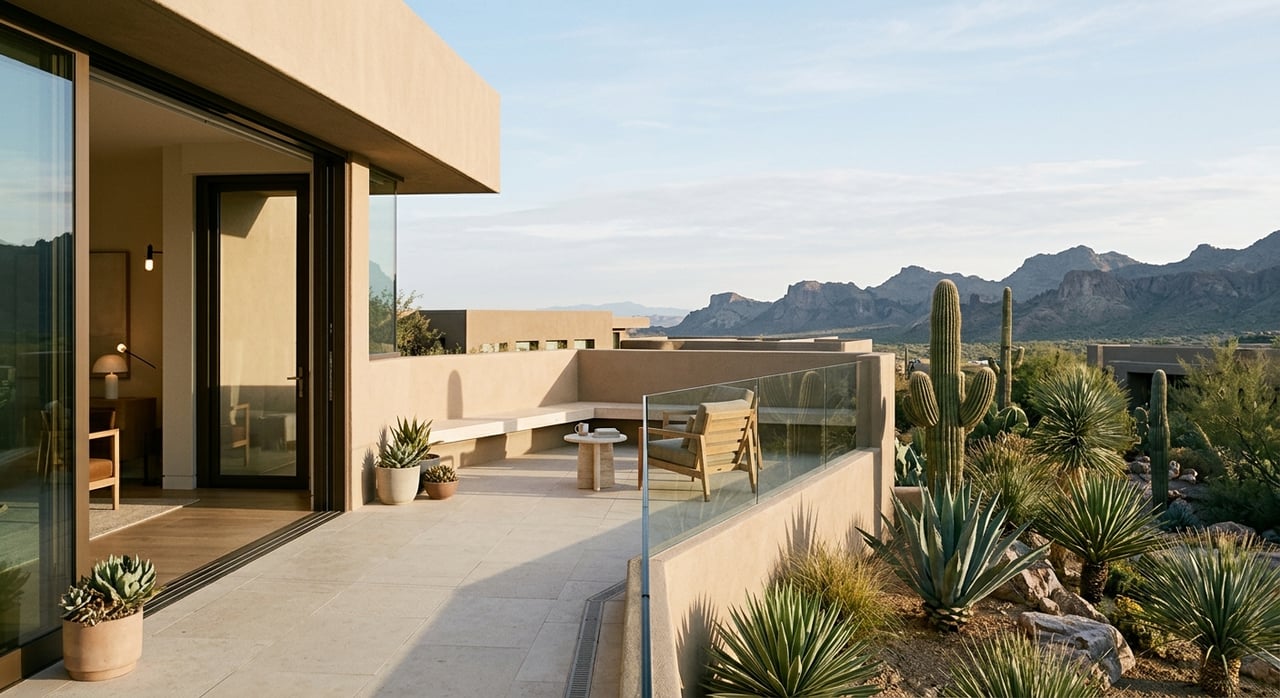
Open desert living usually offers a different type of value. Instead of a managed privacy-and-amenity package, these neighborhoods often emphasize space, views, lot size, and a stronger relationship to the natural desert setting.
Scottsdale’s Desert Foothills plan describes this area as a place where the natural and visual qualities of the upper desert should be preserved. It also notes a pattern of custom and semi-custom homes, a range of lifestyles, and minimal infrastructure improvements in some areas because development happened in a piecemeal way.
What Open Desert Neighborhoods Feel Like
In open desert areas, the land often plays a larger role in the ownership experience. You may have more visual separation from neighbors, more natural open space around the home, and a more site-specific design approach. This is part of why homes in these settings often feel more individual.
The Dynamite Foothills plan reinforces that character. It supports preserving rural desert character, encourages native vegetation and trail systems, and notes that gated communities are discouraged in that area. That makes open desert living not just a market preference, but also a reflection of the city’s planning direction in several foothills areas.
Pros of Open Desert Living
Buyers who are drawn to openness often appreciate benefits like:
- Larger lots in some areas
- More visible desert landscape
- A custom-home feel
- Fewer neighborhood entry barriers
- A stronger sense of rural desert character
Scottsdale’s Scenic Corridors guidance also supports this look through desert landscape setbacks, preserved or revegetated open space, lower walls, and materials that blend into the desert. In practical terms, that contributes to the wide-open visual feel many buyers want in North Scottsdale.
Tradeoffs of Open Desert Living
Open desert living can come with more owner responsibility. Scottsdale notes that some neighborhood trails may run on right-of-way or easements on private property, and maintenance responsibility can fall to adjacent owners. The city also maintains more than 37 miles of unpaved roads, which shows that infrastructure can be different from what buyers expect in more enclosed master-planned settings.
That means you may trade convenience for flexibility and space. Depending on the property, you may have fewer shared amenities, less centralized maintenance, and more direct responsibility for the condition and function of the surrounding site.
Gated vs Open Desert: Key Differences
The simplest way to compare these options is to focus on how you want to live. In North Scottsdale, gated communities often appeal to buyers who want a more managed ownership experience, while open desert neighborhoods often appeal to buyers who value space and a more natural desert setting.
| Factor | Gated Community | Open Desert Neighborhood |
|---|---|---|
| Lifestyle feel | Managed and structured | Open and site-specific |
| Governance | Usually HOA-driven | Varies by property and area |
| Exterior controls | Often stricter | Often less uniform |
| Amenities | More likely to be shared | May be limited or property-specific |
| Costs | HOA dues are common | Fewer shared fees in some areas |
| Ownership responsibility | More shared systems | More owner responsibility |
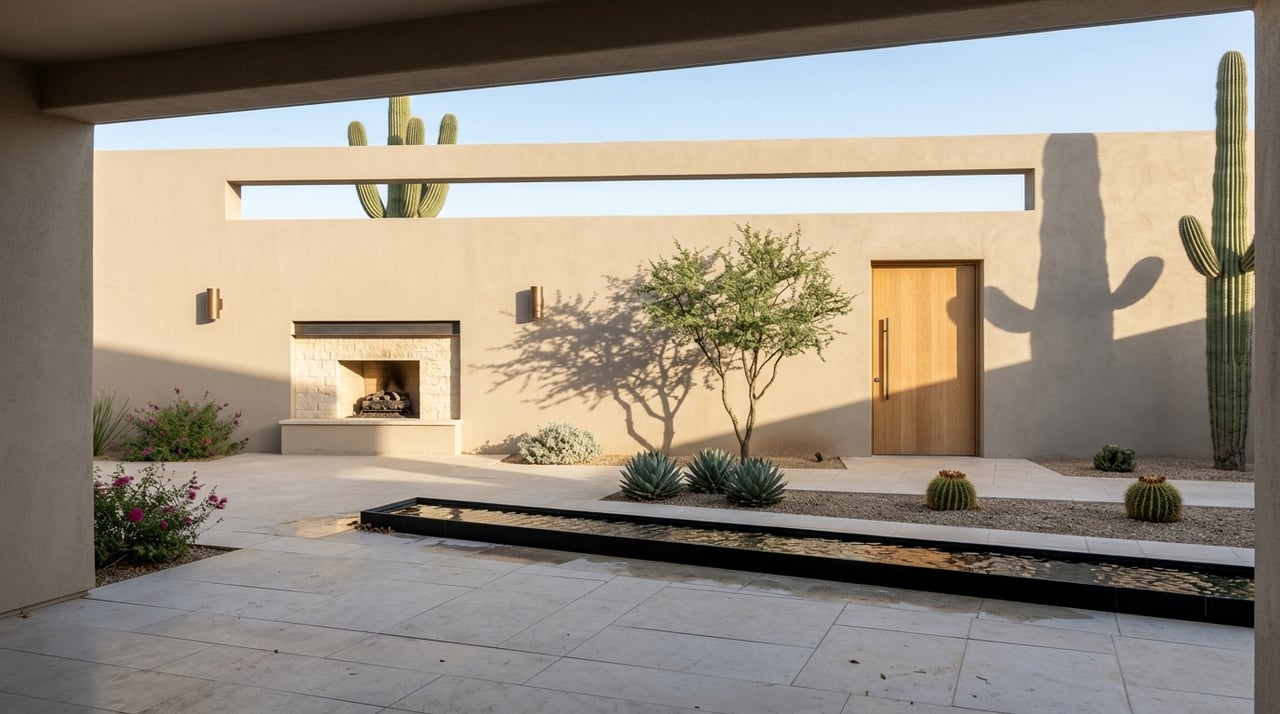
| Visual character | Consistent and curated | Natural and varied |
How Buyers Should Decide
The best choice usually comes down to fit, not labels. If you are relocating, buying a second home, or moving up in price point, think beyond the gate itself and focus on how the property supports your day-to-day life.
Start by asking what matters most to you:
- Do you want shared amenities and coordinated upkeep?
- Do you prefer more land and open views?
- Are HOA rules a benefit or a burden for you?
- Do you want a more lock-and-leave setup?
- Are you comfortable with more property-level maintenance?
Research also suggests buyers pay close attention to neighborhood feel and convenience. NAR’s transportation survey found that 78% of respondents consider walkability important, while separate association research found that 45% of buyers said learning a home was in a community association made them more interested.
What Sellers Should Keep in Mind
If you are selling in North Scottsdale, gate status should be framed as part of the property story, not the whole story. A gated home may appeal to buyers who want a more consistent, managed lifestyle. An open desert home may speak more strongly to buyers who prioritize lot size, views, privacy, and a stronger sense of place.
This is where pricing strategy matters. While NAR reported data suggesting homes in HOA communities can sell for 5% to 6% more than similar homes without an HOA, that is not a guarantee. The stronger pricing conversation usually comes from aligning the home’s features, setting, carrying costs, and buyer appeal with current market expectations.
Due Diligence Before You Buy
Whether you choose gated or open desert living, the smartest next step is careful review of the ownership structure. Arizona resale law requires buyers in planned community sales to receive governing documents, bylaws, rules, and current assessment information during a pending sale.
That makes your checklist especially important. Before you move forward, confirm:
- Whether the property is in a mandatory HOA
- What the monthly or quarterly assessment covers
- Whether the community controls gates, roads, or open space
- Whether there are rental or vehicle restrictions
- How exterior approvals work
This kind of detail matters in North Scottsdale because two homes with similar price points can come with very different ownership experiences.
The Best Fit Comes Down to Lifestyle
There is no one-size-fits-all answer in North Scottsdale. Gated living often delivers managed privacy, structure, and shared amenities. Open desert living often delivers space, views, and a closer connection to the Sonoran landscape.
If you are weighing the two, the goal is not just to find a beautiful home. It is to choose the setting that best fits how you want to live, what you want to maintain, and what kind of ownership experience will feel right for you over time.
When you are ready to compare North Scottsdale neighborhoods with a clear, finance-first strategy, Regina Alvarez can help you sort through the details and move forward with confidence.
FAQs
What is the difference between gated and open desert living in North Scottsdale?
- Gated living usually offers a more managed community with HOA structure, shared maintenance, and design rules, while open desert living usually emphasizes space, views, and a stronger connection to the natural landscape.
Do gated communities in North Scottsdale usually have HOAs?
- Yes, gated communities in North Scottsdale are often planned communities with homeowners associations that manage shared costs, rules, and community operations.
Are open desert neighborhoods common in North Scottsdale?
- Yes, especially in foothills areas where Scottsdale’s planning documents support rural desert character, native vegetation, open space, and trail connections.
Do HOA fees affect the cost of owning a gated home in North Scottsdale?
- Yes, HOA dues are an added cost beyond the mortgage and may increase over time based on maintenance, insurance, utilities, and renovation needs.
Is open desert living in North Scottsdale less restrictive than gated living?
- It often can be, but that depends on the specific property and area since ownership responsibilities, maintenance expectations, and any local restrictions can vary.
What should buyers review before purchasing a North Scottsdale home in an HOA?
- Buyers should review whether the HOA is mandatory, what assessments cover, whether gates or roads are association-controlled, what restrictions apply, and how exterior approval rules work.