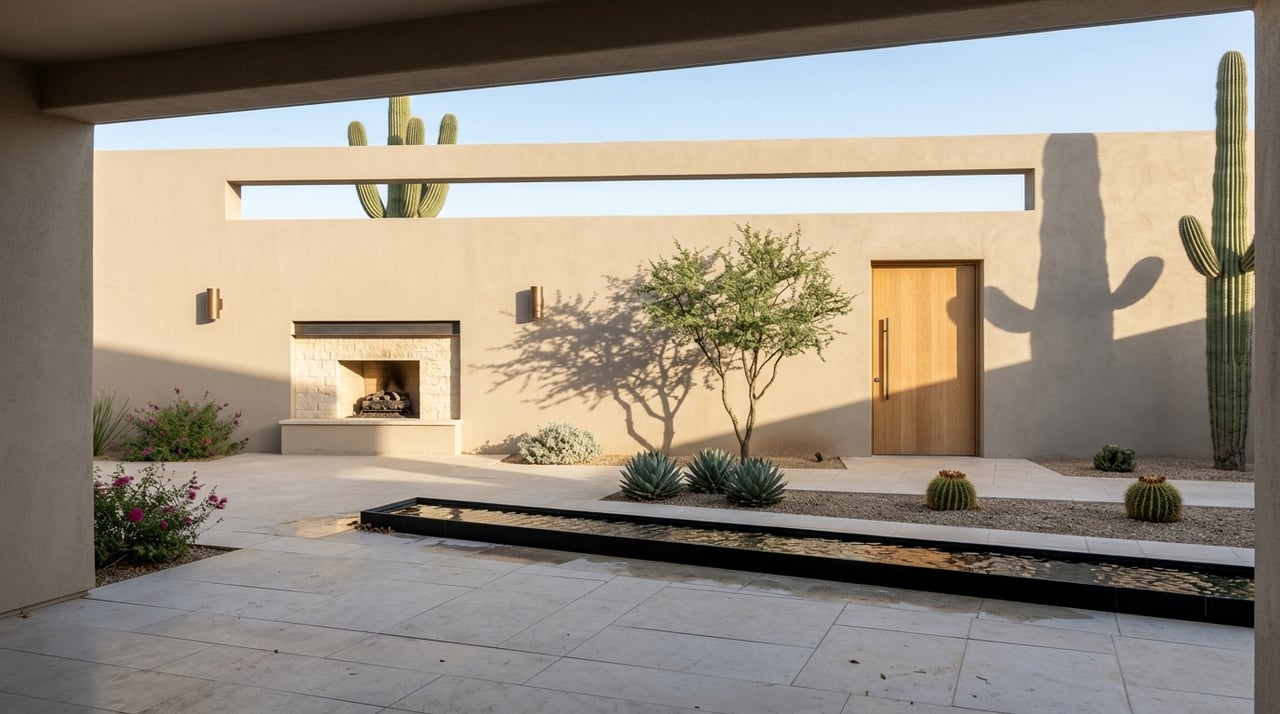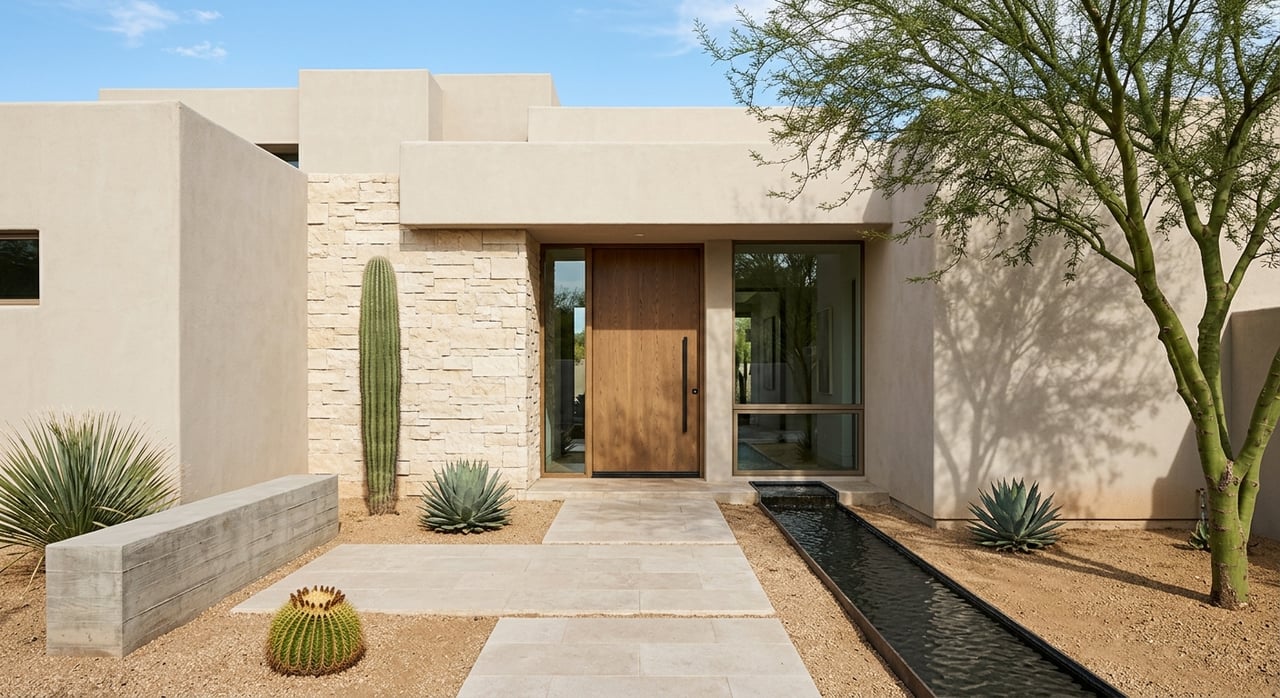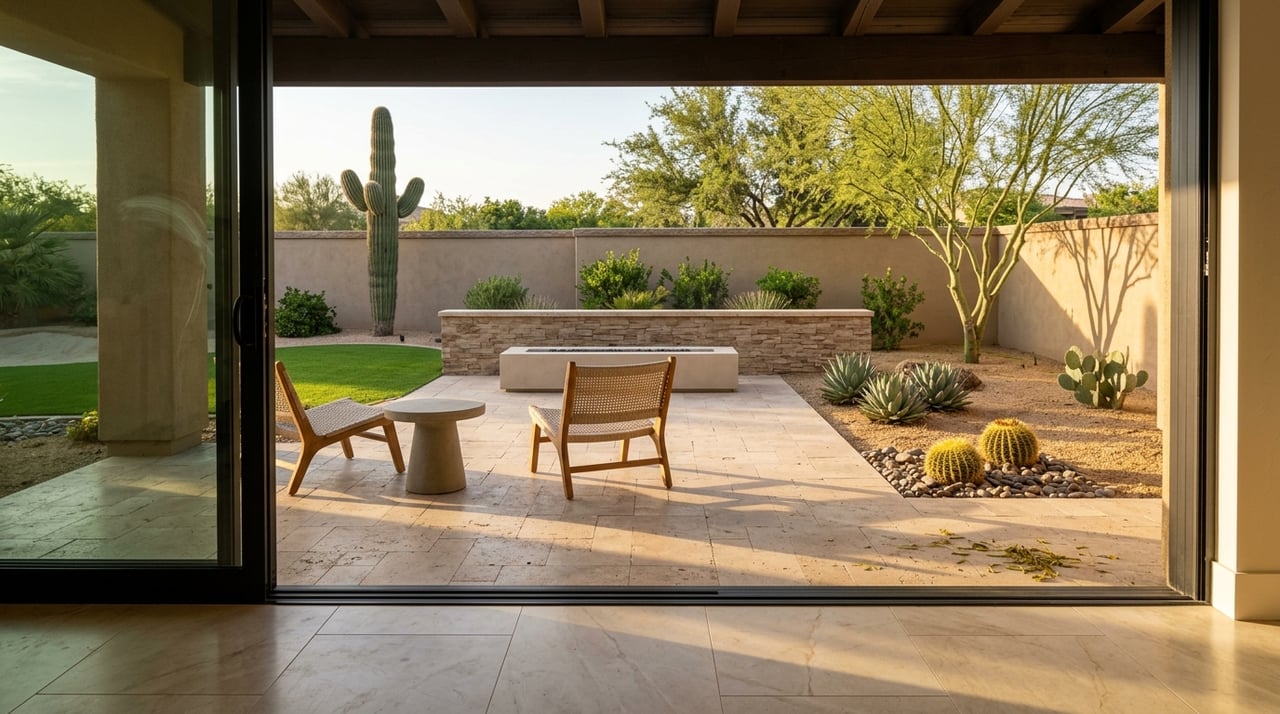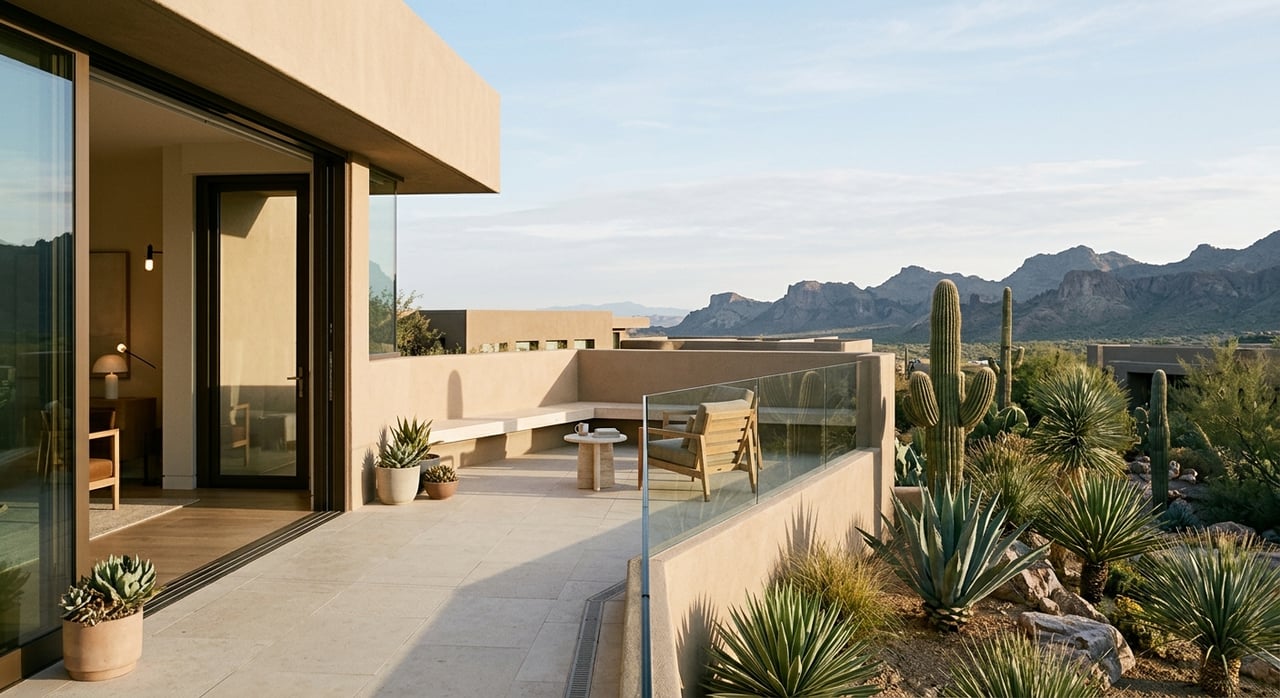
Wondering whether a Fountain Hills view home is worth the premium? In this market, the answer often comes down to one thing: not all views live the same way day to day. If you want mountain scenery, fountain sightlines, or a backyard that feels open and private, you need to look past the photos and study how the lot, sun, and surroundings actually work. Let’s dive in.
Why Fountain Hills Stands Out
Fountain Hills was built with scenery in mind. The town spans 24 square miles and sits at elevations ranging from about 1,520 feet near the fountain to roughly 3,000 feet on Golden Eagle Boulevard.
That elevation spread matters because it creates meaningful differences from one street to the next. A home just a few blocks higher can feel more open, more private, and less affected by nearby rooflines.
The setting also shapes buyer demand. Fountain Hills is surrounded by the McDowell Mountains, Scottsdale, the Fort McDowell Yavapai Nation, the Salt River Pima-Maricopa Indian Community, and McDowell Mountain Regional Park.
The town says about 30% of its land is open space, golf courses, and parks, while roughly 25% remains developable. That means a great view is not automatically protected townwide. In many cases, it is a lot-by-lot question that deserves careful review before you make an offer.
What Counts as a Great View Home
A true view home gives you more than a pretty backdrop. It lets you enjoy the setting from the rooms and outdoor spaces you use most.
In Fountain Hills, that often means looking at the view from the great room, kitchen, primary bedroom, patio, pool deck, and any covered outdoor living area. A home can photograph beautifully and still fall short if the best sightline only works from one corner of the yard.
Current listing language in Fountain Hills often highlights premium lots, walls of windows, expansive decks, wash-adjacent privacy, and indoor-outdoor flow. That tells you something important about this market: buyers are not just paying for scenery. They are paying for how livable that scenery feels.
Elevation Changes Everything
In Fountain Hills, elevation is one of the biggest drivers of view quality. Higher lots are often more likely to feel open and less boxed in by nearby homes or terrain.
Lower lots can still be attractive, but they may be more vulnerable to future rooflines, additions, or shifts in the sightline. Because the town has major elevation changes and more land can still be developed, you should evaluate the exact parcel in person.
Fountain Views Need a Reality Check
The fountain is the town’s signature visual anchor, but a fountain view is more nuanced than many buyers expect. Fountain Park says the fountain runs for 15 minutes every hour from 9:00 a.m. to 9:00 p.m., and it does not operate in windy conditions.
The town says the plume reaches around 300 feet in normal operation and can go to about 560 feet on special occasions. That means your view experience depends on timing, weather, and whether the fountain lines up with your actual daily routine.
If you are drawn to a fountain-view property, visit at more than one time of day. A noon view, a sunset view, and a windy-day view can feel very different.
How Sun Exposure Affects Daily Comfort
A stunning view does not help much if your patio is too hot to use or your west-facing windows create glare every afternoon. In Fountain Hills’ hot, dry desert climate, orientation matters almost as much as the view itself.
Nearby NOAA climate normals for Phoenix and Scottsdale show average annual temperatures of 75.6°F and 73.3°F, with low annual rainfall. NOAA also reports the Southwest warmed by about 0.5°F to 1.0°F in the latest normals update.
For buyers, the practical takeaway is simple: ask how the home handles heat. A property with beautiful glass and broad exposure can still work well, but shade, glazing, and outdoor design need to support the lifestyle you want.
Best Window and Patio Orientation
The U.S. Department of Energy says south-facing windows can bring in strong winter light while limiting direct summer sun when properly shaded. It also notes that east- and west-facing windows can create more glare and unwanted summer heat gain.
That is especially relevant in Fountain Hills, where many view homes are designed around large windows and outdoor living. Covered patios, shaded west walls, and thoughtful window treatments can make a major difference in comfort and cooling costs.
When touring a home, pay close attention to:
- Afternoon sun on the main patio
- Heat exposure on west-facing windows
- Shade over outdoor dining and seating areas
- Whether the best view is usable in the hottest months
Privacy, Washes, and Open Sightlines
Many Fountain Hills buyers want a home that feels open without feeling exposed. One of the most appealing setups is a lot that backs to a wash or natural desert area.
That kind of lot can create a stronger sense of privacy and give you a more spacious visual experience. It can also reduce the feeling that another home is directly behind you.
Still, privacy and openness should be checked carefully. The town says storm water moves through gutters, catch basins, streets, washes, retention basins, and other conveyance structures, and Maricopa County says Fountain Hills handles its own floodplain questions.
In plain terms, a wash lot can be attractive, but you should also review drainage, runoff, and what may or may not be built beyond the current view corridor.
Budgeting for a View Home
View homes in Fountain Hills can command a meaningful premium, especially when you combine scenery with hillside placement, privacy, or a more exclusive community setting.
Redfin reports a citywide median sale price of $686,089 in May 2026. The same market snapshot shows neighborhood medians around $950,000 in Sunridge Canyon, $1.13 million in Eagle Mountain, and $3.15 million in Firerock.
That spread tells you an important story. In Fountain Hills, your budget is often shaped by the type of view you want, the lot position, and the level of privacy and prestige attached to the area.
Plan for Ongoing Costs Too
The purchase price is only part of the equation. The town says it does not levy a primary property tax, but property tax bills may still include other taxing districts, and the Fountain Hills Sanitary District can levy fees and taxes within its boundaries.
The town also says EPCOR provides potable water service in Fountain Hills. That matters when you are evaluating monthly costs for desert landscaping, irrigation, pools, and larger outdoor living spaces.
A finance-first buying approach should include:
- Purchase price and likely competitive range
- Property tax components and district charges
- Water use for landscaping and pools
- Cooling efficiency and shade features
- Ongoing maintenance for decks, patios, and exposed outdoor areas
Lifestyle Tradeoffs to Think Through
A Fountain Hills view home can make daily life feel special. Many homes in this market are designed around walls of windows, broad decks, and strong indoor-outdoor flow, which helps turn the landscape into part of your everyday routine.
That can be especially appealing if you are buying a second home, planning retirement, or simply want scenic living with practical convenience nearby. The town notes that Fountain Hills offers recreational, cultural, and retirement programs, along with a medical center that has 24-hour emergency room service.
But every benefit comes with a tradeoff. In the Sonoran Desert, heat, water use, and upkeep deserve as much attention as the view itself.
Maintenance Matters More Than Buyers Expect
The town emphasizes water conservation, and that is a useful guide for view-home buyers. Large turf areas and highly exposed outdoor spaces may look appealing at first, but they can be harder to maintain and less comfortable over time.
The Department of Energy recommends drought-tolerant landscaping, shade, and well-placed trees in hot climates to help reduce cooling loads. In practice, many buyers find that covered patios, low-maintenance hardscape, and efficient window coverings support the view-home lifestyle better than high-maintenance outdoor features.
Wildfire and Drainage Belong on Your Checklist
Natural desert edges and wash-adjacent lots can be beautiful, but they also require a practical review. The town says dry desert vegetation can become wildfire fuel and recommends a 30-foot defensible space around structures.
That means a scenic lot backed by open desert should be evaluated for both beauty and maintenance. You will want to understand how the lot is maintained and how the surrounding open space is managed.
Smart Questions Before You Offer
The best way to buy confidently is to treat a view home like both a lifestyle purchase and a financial decision. In Fountain Hills, small lot differences can change long-term enjoyment and resale value.
Before you move forward, make sure you can answer these questions clearly:
- Which rooms and outdoor areas actually capture the view?
- If the home has a fountain view, does it work during the hours you will be there?
- How much afternoon sun hits the main living spaces and patio?
- Does the lot back to a wash or open area, and what do drainage conditions look like?
- How much privacy do you really have today, and what could change over time?
- Does the home’s landscaping and outdoor design fit your maintenance tolerance?
- Does the neighborhood and price tier match your goals for view, privacy, and lock-and-leave ease?
Why Local Guidance Helps
Buying a view home in Fountain Hills is rarely just about square footage or finishes. It is about understanding how elevation, orientation, privacy, and future surroundings all come together on one specific lot.
That is where a detail-oriented, numbers-driven approach can protect both your lifestyle and your budget. When you compare homes through that lens, you can spot the difference between a property that merely photographs well and one that will truly live well for years to come.
If you are exploring view homes in Fountain Hills and want clear, tailored guidance, connect with Regina Alvarez for a thoughtful, high-touch approach grounded in market insight and careful analysis.
FAQs
What makes a view home in Fountain Hills different from a regular home?
- A Fountain Hills view home usually carries added value based on scenery, elevation, privacy, and how well the home’s main rooms and outdoor spaces capture the view.
How important is elevation when buying a Fountain Hills view property?
- Elevation is very important because homes at higher positions often feel more open and may be less affected by nearby rooflines or terrain.
Are fountain views in Fountain Hills available all day?
- No. The fountain typically runs 15 minutes every hour from 9:00 a.m. to 9:00 p.m., and it does not operate in windy conditions.
What should buyers check on a Fountain Hills wash lot?
- You should review privacy, drainage, runoff, and any floodplain or storm-water considerations tied to the property and surrounding area.
Do Fountain Hills view homes usually cost more?
- Often, yes. Market data and listing patterns suggest that stronger views, hillside settings, and more exclusive communities can raise the price significantly.
How can you make a Fountain Hills view home more comfortable in summer?
- Look for covered patios, shade on west-facing areas, thoughtful window placement, and low-water landscaping that supports cooling and easier maintenance.