Curious what day-to-day life in North Central Phoenix actually feels like? If you are comparing neighborhoods, relocating to the area, or simply trying to picture your next move, North Park Central offers a distinct mix of history, convenience, and character. It feels established rather than newly built, central rather than far-flung, and walkable in ways that stand out for Phoenix. Let’s take a closer look.
North Park Central at a Glance
North Park Central is a central Phoenix neighborhood with a strong midcentury identity. The neighborhood association describes it as a vibrant, diverse community near the Melrose District, with midtown skyline views and notable midcentury modern architecture.
The area has roots in postwar Phoenix. According to the neighborhood’s history, this land was once dairy-farm property and was developed from 1949 to 1952. That history gives the neighborhood a settled feel that is very different from a newer subdivision built all at once in recent years.
It also helps to understand the bigger picture. North Park Central sits within the broader North Central Phoenix corridor, which city planning materials trace back to the late 1800s. So when people talk about “North Central Phoenix,” they are often describing a larger historic area, while North Park Central refers to a specific postwar neighborhood within it.
The Feel of the Streets
One of the first things you may notice about North Central Phoenix is the streetscape. City planning materials describe Central Avenue as tree-lined since the area’s early days, with olive and ash trees helping create a shaded, parkway-like character.
That canopy gives the corridor a more established feel than many people expect from Phoenix. Instead of a brand-new, master-planned look, you get mature streets, older homes, and a sense that the neighborhood has grown over time.
North Park Central fits well within that identity. It feels central, shaded, and connected to the city around it, while still offering a residential setting that many buyers find appealing.
Homes and Architecture
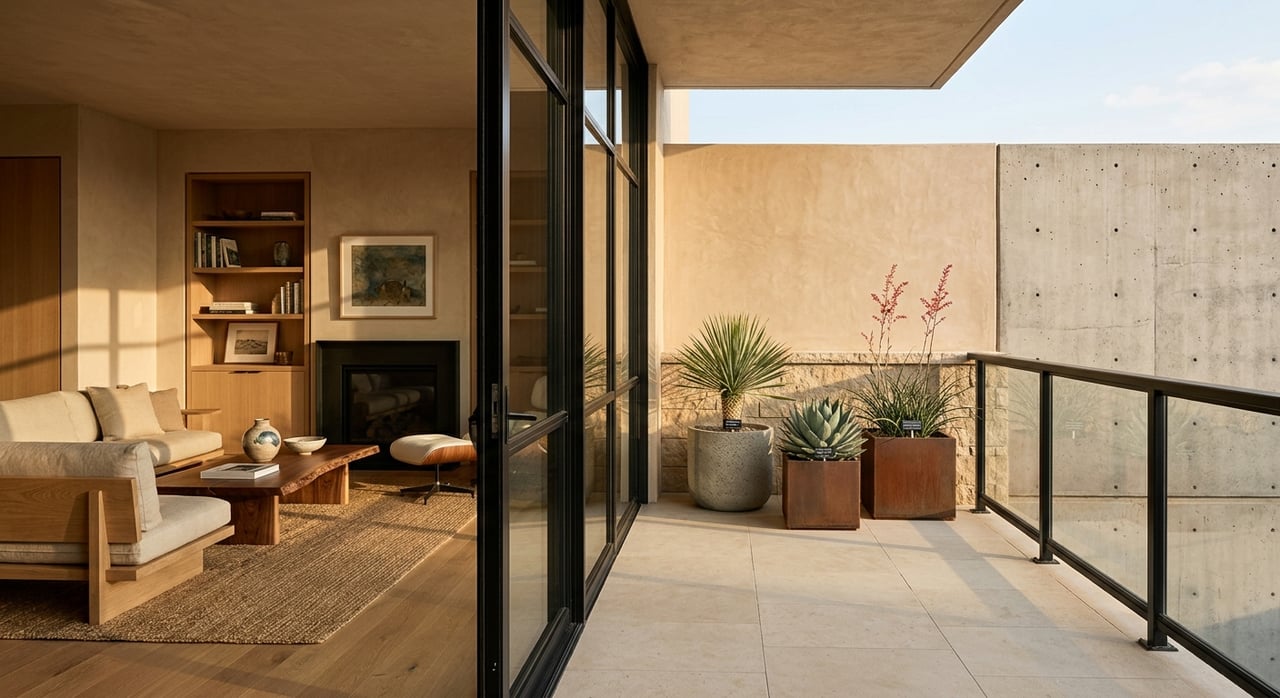
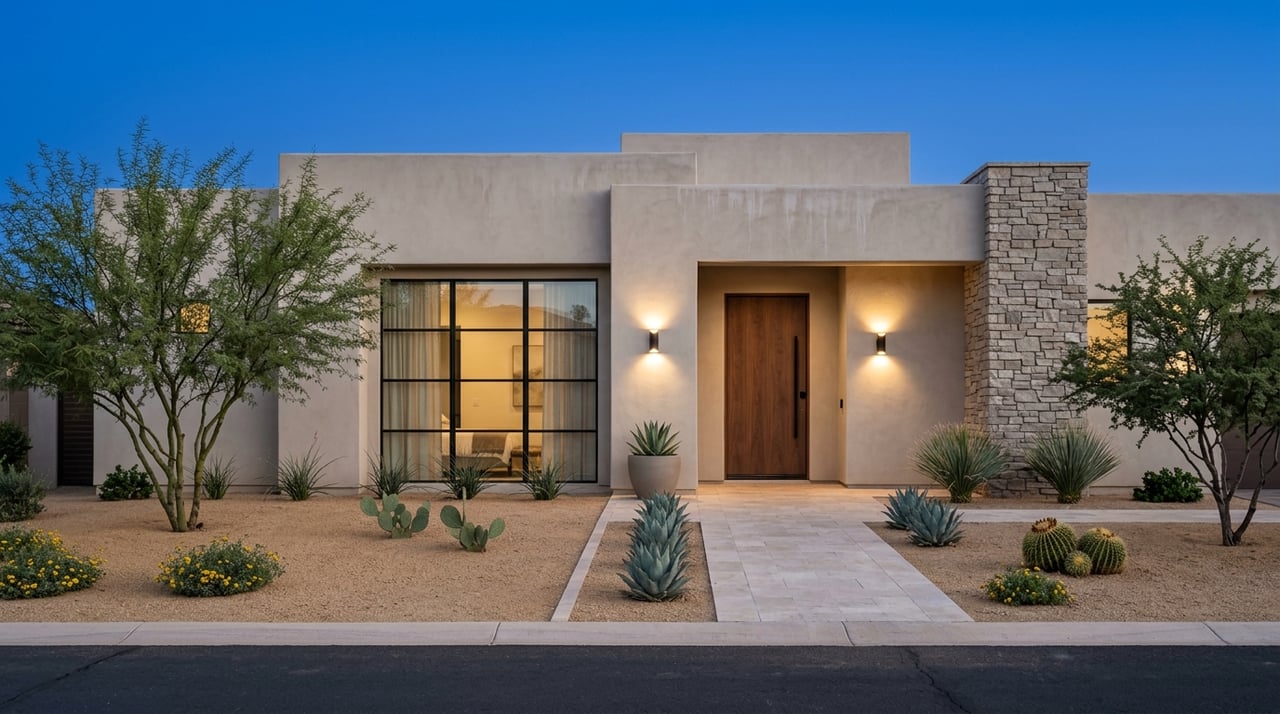
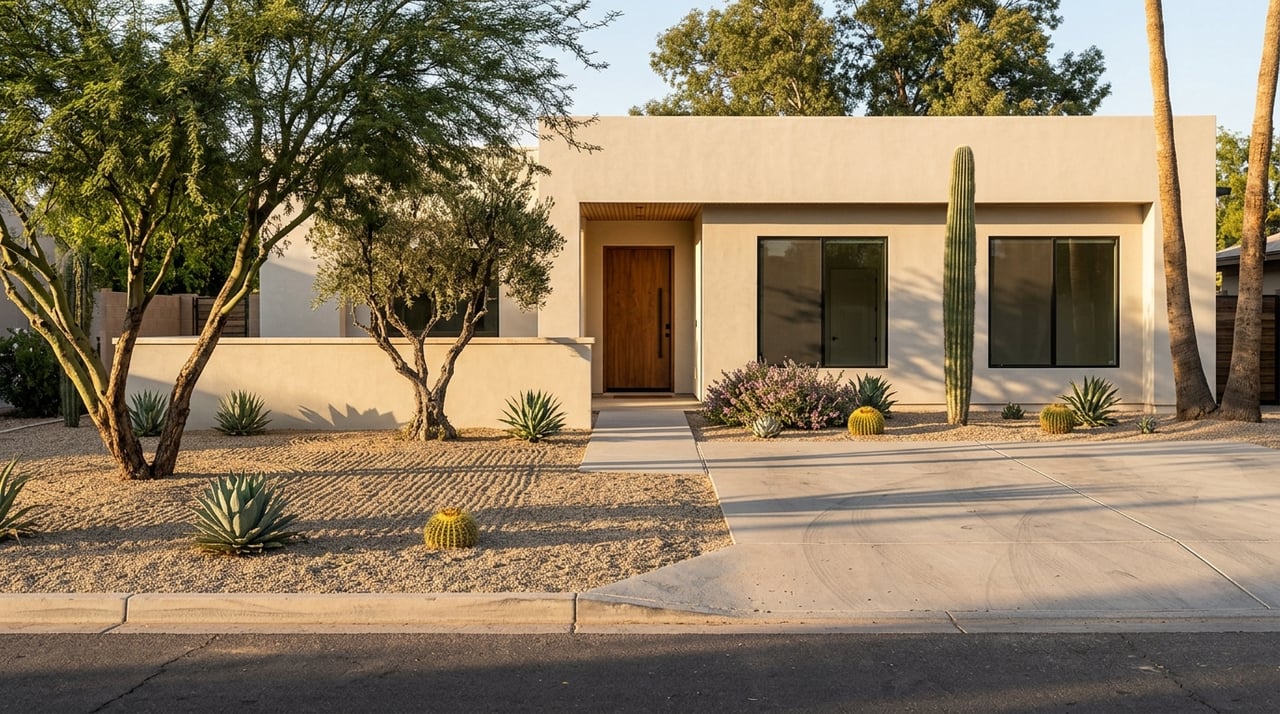
If you are drawn to older homes with personality, this area may stand out. The housing stock in North Central is largely made up of detached single-family homes, and city planning materials note the importance of postwar ranch-style homes in shaping the area.
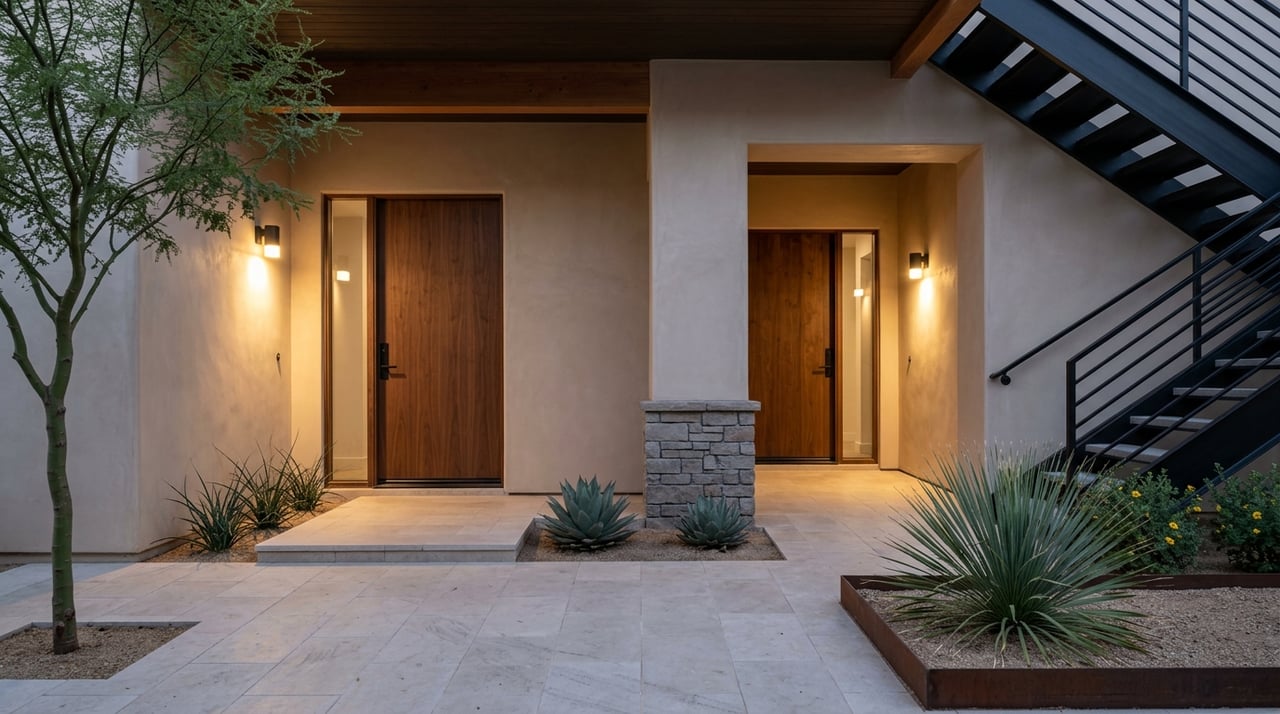
At the same time, the neighborhood is not one-note. The city also points to condos, patio-home projects, and some gated pockets across the broader corridor. That means you will see variety, not just one architectural style repeated block after block.
In North Park Central specifically, the midcentury influence is part of the appeal. The neighborhood association highlights midcentury modern architecture, and that design identity still shapes how the area looks and feels today.
For buyers, that can mean more visual interest and a stronger sense of place. For sellers, it means the neighborhood often attracts people who specifically want charm, location, and architectural character instead of a cookie-cutter layout.
A Neighborhood With History
North Park Central’s history is not just a fun side note. It directly affects how the neighborhood feels today.
Because the area developed in the late 1940s and early 1950s, it carries a true postwar neighborhood pattern. Streets, lots, and homes reflect that era, and the community grew alongside major midcentury landmarks like St. Joseph’s Hospital and Park Central Mall, which the neighborhood site describes as Phoenix’s first large-scale mall.
There is also a preservation angle to the broader North Central corridor. The City of Phoenix historic preservation office maintains the Phoenix Historic Property Register, and planning documents note that surveys in the early 1990s identified 55 area properties as eligible for historic designation.
That does not mean every home is historic, but it does show that age and architectural context matter here. If you are shopping in the area, it is worth paying attention to a property’s design era and preservation context as part of your decision-making process.
Everyday Lifestyle in North Central Phoenix
Living in North Park Central means you are close to several active central Phoenix destinations. One of the biggest lifestyle advantages is proximity to Melrose.
The City of Phoenix describes Melrose as home to locally owned antique shops and boutiques, while Visit Phoenix identifies it as a one-mile stretch along Seventh Avenue between Indian School and Camelback roads with a strong midcentury identity. The city’s Eat Local guide also places Melrose in the middle of Phoenix’s local food scene.
For you, that can translate into an easier daily rhythm. Coffee runs, casual dining, browsing local shops, and low-key weekend outings can stay close to home instead of becoming a long cross-town drive.
That same central location also puts Midtown and Uptown within easy reach. Visit Phoenix notes both areas have become gathering places for eating, drinking, and shopping, which adds to the neighborhood’s convenience and variety.
Outdoor Time Is Built In
If you like neighborhoods where you can get outside without making it a major event, North Central Phoenix has real appeal. One of the area’s defining features is the Murphy Bridle Path.
According to city planning materials, the path runs along the east side of Central Avenue. It is a well-graded pedestrian and bicycling trail about 10 feet wide, stretching roughly 2.5 miles from Bethany Home Road north to the Arizona Canal.
It has also been a recreational landmark for more than a century. That kind of built-in outdoor feature helps make walking, biking, and casual exercise feel like part of everyday life rather than something you have to plan around.
Beyond the bridle path, Phoenix offers a broader outdoor network. The city says its trail system includes more than 41,000 acres of desert parks and mountain preserves and more than 200 miles of trails. For a closer-to-home option, the Grand Canalscape provides a 12-mile continuous multi-use trail system along the Grand Canal.
If outdoor access matters to you, North Park Central gives you both neighborhood-scale recreation and access to larger citywide trail options.
Commuting and Getting Around
For many buyers and relocators, commute access is a major piece of the puzzle. This is one of North Central Phoenix’s strongest points.
City planning documents describe Central Avenue as the neighborhood’s major arterial street and a daily commuter route between Sunnyslope and downtown Phoenix. In practical terms, that supports a straightforward drive for many daily routines.
There is also transit service along the corridor. Valley Metro says the B line runs north-south from Metro Parkway to Baseline/Central Ave, with service operating 365 days a year, more than 20 hours a day, and 12-minute peak frequency.
That does not make every address equally transit-oriented, but it does add flexibility. Depending on where you live and work, you may have options beyond driving alone.
Who North Park Central May Suit Best
North Park Central tends to appeal to buyers who want an established neighborhood with real identity. If you prefer mature streets, postwar homes, central access, and nearby local dining and shopping, this area checks a lot of boxes.
It may also be a fit if you are relocating and want a neighborhood that helps you feel connected to Phoenix quickly. The mix of history, access, and daily convenience can make the adjustment easier because so much of central Phoenix is close at hand.
For some buyers, the draw is architectural character. For others, it is the location. In many cases, it is the combination of both that makes North Park Central memorable.
What Stands Out Most
If you had to sum up life in North Park Central in a few words, “established, shaded, and central” would be a strong starting point. It is a neighborhood with postwar roots, a recognizable midcentury look, and direct ties to some of central Phoenix’s most active lifestyle areas.
You are not getting the experience of a brand-new suburban development. You are getting a mature neighborhood shaped by history, tree-lined streets, nearby shopping and dining, and practical access to the rest of the city.
That difference matters. For the right buyer, it is exactly what makes North Park Central feel like home.
If you are thinking about buying or selling in North Central Phoenix and want guidance grounded in local insight and clear strategy, Regina Alvarez can help you evaluate the neighborhood, the numbers, and the best next step.
FAQs
What is North Park Central in Phoenix like?
- North Park Central feels established, shaded, and central, with postwar homes, midcentury character, and close access to Melrose, Midtown, Uptown, and downtown Phoenix.
What types of homes are in North Park Central?
- The broader North Central area is known for detached single-family homes with strong ranch and midcentury influence, along with some condos, patio homes, and other varied housing types.
Is North Park Central a historic neighborhood?
- North Park Central has postwar roots dating from 1949 to 1952, and the broader North Central corridor includes properties with historic-preservation context identified by the City of Phoenix.
What is near North Park Central in Phoenix?
- North Park Central is near the Melrose District and has convenient access to Midtown and Uptown, areas known for local dining, shopping, boutiques, and antique stores.
Does North Central Phoenix have walking or biking paths?
- Yes. The Murphy Bridle Path along Central Avenue is a long-standing pedestrian and bicycling trail, and the area also connects well to broader Phoenix trail options like the Grand Canalscape.
Is North Park Central good for commuting in Phoenix?
- North Park Central benefits from direct access to Central Avenue, a key commuter corridor, and nearby Valley Metro service that runs north-south with frequent peak-hour service.